Noah’s Ark Search Moves to Lab Phase After 366 Samples and 70-Meter Radar Scans
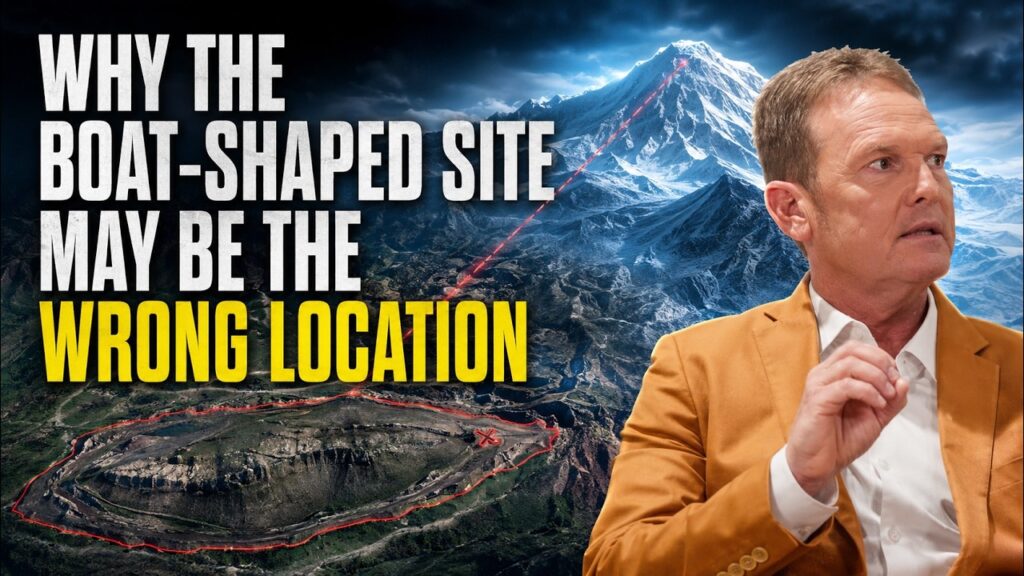
The 2026 field season at the Durupınar formation in eastern Türkiye has ended, and researchers are now moving into the laboratory phase with hundreds of samples and a large set of underground radar data.
Sivas Cumhuriyet University, which is leading the project, announced on September 28 that the fieldwork ran from June 28 through September 11. The formation near Mount Ararat has been proposed by some researchers as a possible location of Noah’s Ark, while geologists have also argued that it can be explained as a natural formation.
According to the university, the team used high-resolution mapping, LiDAR, GPS, 3D modeling and ground-penetrating radar. The university says the radar work examined geological layers to depths of as much as 70 meters in an effort to identify anomalies, cavities or corridor-like features beneath the site.
Get The Daily Renegade by Email
Get new Renegade News articles, videos, research, and occasional special offers delivered to your inbox.
The project also collected 366 core and soil samples from inside and outside the boat-shaped formation at depths ranging from about 1 to 15 meters. Those samples were sent to laboratories at Ankara Yıldırım Beyazıt University for carbon-isotope analysis, dating and testing for organic material or other evidence that could help determine how the formation developed.
The research team says the radar data will also undergo detailed analysis. The broader evaluation and reporting process is expected to continue into 2027.
This is a significant update from the drilling stage we reported earlier because the project has now moved from collecting physical evidence in the field to testing that evidence in laboratories. Our earlier report covered the start of core drilling and the initial subsurface findings.
Researchers have reported organic-rich material and unusual subsurface features during the project, but none of that has established that the Durupınar formation is Noah’s Ark. The laboratory work is intended to test those claims against geological explanations.
You Also Might Be Interested In
Read Peter the Roman
Josh Peck and Dustin Wray Hockensmith investigate the history, disputed claims, and final entries of the Prophecy of the Popes in the two-volume Peter the Roman series.
Sources:
Sivas Cumhuriyet University, September 28, 2026
Sivas Cumhuriyet University project overview